Bankruptcy Northern Ireland
Bankruptcy is a formal process of Insolvency where you are declared unable to pay your debts. It is usually considered as a last resort debt solution but can also be the only option and a fresh start for some people and businesses.
You can delcare yourself bankrupt or your creditors can petition for your bankruptcy in Northern Ireland. Bankruptcy usually lasts for about one year, however the effects of Bankruptcy can last much longer.
How do I go Bankrupt?
The first thing you should do is speak with a debt advisor to find out if Bankruptcy is the right course of action. There may be other solutions available that are better suited to your circumstances. A debt advisor can advise you on all options available for dealing with the debts. If you determine that Bankruptcy is the best option, you will need to fill in some forms - a Statement of Affairs and a Debtors Bankruptcy Petition. You can read further information and fill in these forms online on the Insolvency Service Website - Click Here or fill in the form below to speak with an advisor.
Speak with an Advisor
Fill in the form to find out your options for dealing with your debts
How much does it cost to go Bankrupt?
In Northern Ireland it normally costs about £670 to apply for Bankruptcy which covers the Bankruptcy deposit of £525 plus court fees. If you are on a low income or in receipt of certain benefits the court fee could be waived, but no matter what your circumstances are, you are responsible for paying the Bankruptcy deposit.
Another option that is similar to Bankruptcy is a Debt Relief Order (DRO), suitable for people with lower debt amounts and who have little or no assets. This is also worth exploring, as the costs involved are a lot cheaper than Bankruptcy, with a one off fee of only £90 and a process that is a lot more straightforward. Click here to read more about the criteria for a DRO in Northern Ireland and find out if it might be an option for addressing your debts.
What happens in Bankruptcy?
When you Declare Bankruptcy yourself
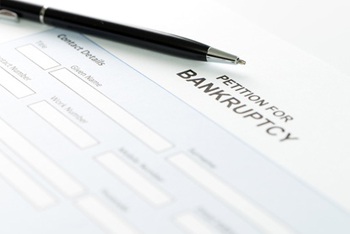
If you want to declare Bankruptcy in Northern Ireland, you must first ask the court for permission to do so (petition for your Bankruptcy). You must fill in a 'Debtors Bankruptcy Petition' and a 'Statement of Affairs' and submit copies to the court. You can obtain the forms from the High Court in Belfast or the Insolvency Service.
Bankruptcy Forms
You can access the bankrptcy forms you need online by clicking here
The Debtors Petition is also known as form 6.30. This form is your request to the court. Once the Court has reviewed your application they will make a Bankruptcy order.
When the Bankruptcy order has been made, it will appear in official publications and also in a local and/or national newspaper.
Your Bankruptcy order will be dealt with by an Official Receiver (OR). It is their job to administer your bankruptcy, protect your assets and look into your financial affairs. They will be the trustee of your estate unless an Insolvency Practitioner is appointed.
When a creditor declares your Bankruptcy
The process is similar to declaring yourself Bankrupt, however it is your creditor or creditors who will apply for the Bankruptcy. A creditor can present your petition to the court if you owe them more than £750 in unsecured debt. You must co-operate fully with the court, even if you dispute the claim. You may be able to negotiate a settlement before the Bankruptcy is enforced.
what are the implications of Bankruptcy?
- Your landlord will find out about your Bankruptcy if you are renting a house.
- In some occupations your employment may be at risk i.e. You cannot be a company director, you may not practice as an Accountant / Lawyer / Justice of the Peace / Member of Parliament, you cannot take part in the promotion, formation or management of a limited company (LTD) without permission from the court.
- You cannot trade in any business under any other name unless you inform all persons concerned of the bankruptcy.
- You will lose control of your assets.
- You cannot obtain credit over £3,500 without disclosing that you are bankrupt.
- Your credit is affected for many years after the bankruptcy annulment.
- You may be publicly examined in court.
Alternatives to Bankruptcy
Bankruptcy should normally be considered as a last resort debt solution. It is important that you explore all options available when enquiring about dealing with your debts. There are other alternatives to going Bankrupt, including both formal and informal solutions. We have outlined some of these below. Get in touch with Debt Advice NI to find out all of your options. Call us on 0800 043 0550 or click here to visit our contact page.
IVA
An IVA is also a formal insolvency solution and should be considered as an option to addressing your debts. In an IVA, you are able to negotiate affordable repayments towards your debts. Any remaining debt is then written off on completion.
Administration Order
An Administration Order is a court procedure where you can arrange payments through the court for debts under the value of £5,000 and where you have a County Court Judgement against you.
Debt Relief Order
Also referred to as a form of mini-bankruptcy a Debt Relief Order is a formal solution that allows you to write off debts up to £15,000 if you have little or no assets and a very low disposable income.
Debt Management Plan
A Debt Management plan is an informal debt solution that allows you to negotiate affordable payments with your creditors based on what you can afford.
Bankruptcy in Northern Ireland
Get in touch with us at Debt Advice NI and if you need help with your debts or advice on going Bankrupt or being made Bankrupt. Call us now on 0800 043 0550 or click here to visit our contact page.
Excellent company
Gave me help advice and confidence to deal with a very large and stressful financial situation that I could see no way out of. Many thanks. | Client review
Read more...
About us
debtadvicenorthernireland.co.uk is owned by McCambridge Duffy who are one of the leading Insolvency firms in the UK and have been in the financial industry since 1932. McCambridge Duffy solely provide IVAs and other Insolvency solutions.
On our site you will find information on debt solutions, both formal and informal. We provide this information so you have a clear overview of the options available for dealing with your debts. We do not offer informal debt solutions, so if an insolvency solution is not your recommended course of action, with your permission, we will refer you to an appropriate agency/provider that can assist you further.